“fine coffee science” search results (600)
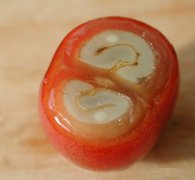
Fine Coffee Science explains the internal anatomy of fine coffee beans in detail
Coffee bean close-up, coffee bean internal cross-section map of the coffee fruit after the peel of the freshly ripe coffee fruit on the tree, the coffee fruit without the peel, inside two coffee beans with endocarp, silver peel coffee bean coffee fruit internal structure (coffee fruit includes exocarp, mesocarp, pectin layer, endocarp, coffee bean silver skin, endosperm, embryo.) Internal knot of coffee beans
2014-11-13 Coffee knowledge boutique coffee science internal anatomy of coffee beans
Fine Coffee Science explains the Preservation of Coffee
There is a knack for distinguishing the freshness of coffee beans: fresh coffee beans smell fragrant, otherwise they are tasteless or have a bad smell. Look at it: good coffee beans are complete in shape and full in size. On the contrary, the shape is incomplete. Hand pressure: fresh coffee beans are fresh and crisp, and the fragrance comes out when they crack. Color: dark black coffee beans, the brewed coffee has a bitter taste; yellow coffee beans
2014-11-06 Coffee knowledge boutique coffee science coffee preservation
Fine Coffee Science explains the structure of coffee beans in detail
Usually there are two seeds in a coffee fruit, but after picking, there is often only one seed in about 5-10% of the berries, because there is only one ovule fertilized in the ovary, and the bean grows up to be nearly oval in shape. it's also known as the little round bean. This coffee bean will be smaller than normal Arabica coffee beans and taste like ordinary coffee beans.
2014-10-11 Coffee knowledge boutique coffee science coffee bean structure

Basic knowledge of fine coffee Coffee popular science "white coffee"
White coffee is a Malaysian specialty with a history of more than 100 years. White coffee does not mean that the color of coffee is white, but the use of special Liberica, Arabica and Robusta coffee beans and super skim milk raw materials, after moderate and low temperature roasting and special processing, a large amount of coffee is removed, and the bitterness and sourness produced by high temperature carbon roasting are removed.
2014-12-31 boutique coffee basics popular science white coffee Malaysia
A brief introduction to Han Huaizong's Fine Coffee Science Baidu Cloud Network disk _ Fine Coffee online Reading pdf eBook download
Boutique Coffee (2 volumes) focuses on the three waves of evolution, origin and variety of boutique coffee. In two chapters, over the past half a century, the three major waves of global boutique coffee evolution, including the first wave of coffee fast food, the second wave of coffee boutique and the third wave of coffee beautification, and describes
2021-10-17 Boutique coffee boutique caffeine (set of 2 volumes) focus focus on boutique
Fine Coffee Science explains the types of coffee beans in detail.
There are mainly two kinds of coffee on the market, such as Coffea Arabica and Coffea Robusta. Each of them can be subdivided into more variety branches. Most of the coffee beans in circulation on the market are distinguished by their origin. The following is a list of some of the major producing countries and their famous coffee: Brazilian coffee fruit (Arabica) Brazil: Santos, Brazil
2014-11-13 Coffee knowledge boutique coffee science coffee beans types
Chinese Academy of Sciences of Coffee Information promotes the Development of Coffee Industry in Yunnan
On January 26, the three-day Pu'er Coffee Culture Festival ended perfectly with a trip to Pu'er Coffee. During this Chinese coffee event, the high-quality coffee demonstration park in Manxieba, Nanping Town, Simao District, Yunnan Province, attracted people from all over the world to participate in the event. As the first stop of the Pu'er coffee tour, Manheba boutique coffee farm ushered in the world coffee leader, SCAA (American boutique)
2015-02-05 Coffee Information Chinese Academy of Sciences achievements Yunnan Industrial Development January 26th period
Basic knowledge of fine coffee what is the science of drinking coffee
A cup of strong coffee is hard to refuse. When you are racking your brains to think about a problem, a cup of strong coffee may open you up, so many people like to drink coffee and can't even work without it. But drinking coffee also has a lot of attention, drinking improperly, it will cause damage to your body. Coffee contains caffeine and 300.
2015-07-03 Boutique coffee basics common sense which science a cup strong very difficult
Fine Coffee Science on the Grinding of Coffee beans
The task of grinding roasted coffee beans into powder is called crushing, and the props for grinding coffee beans are called grinders. It is said that Beethoven counts sixty coffee beans in the grinder every morning, grinds and then brews the coffee, grinds the coffee, enjoys its fragrance, and then excitedly experiences the fun. According to its size, the grinding methods of coffee beans can be divided into rough grinding, medium grinding and fine grinding.
2014-11-06 Coffee knowledge boutique coffee science coffee bean grinding
Boutique Coffee Science Fine Coffee production area Coffee
Coffee in boutique producing areas (boutique coffee, Specialty Coffee) is strictly defined as a proper term. Like fine wine and tea, the geographical environment, climatic characteristics and regional flavor (Terroir) formed by planting traditions in different producing areas are also the soul of high-quality coffee producing areas. As a proper term, fine coffee (Specialty Coffee) was first called boutique.
2014-10-30 Coffee knowledge boutique producing area producing area coffee
Fine Coffee Science explains Coffee Leaf Rust in detail
Coffee leaf rust (coffee rust) is the most destructive disease of coffee trees, which is caused by coffee camel rust (Hemileia vastatrix). The disease has long occurred in coffee-producing areas such as Africa, the near East and India, Asia and Australasia. It first appeared in the Western Hemisphere in 1970 and was found in Brazil. Once-thriving coffee plantations in Sri Lanka and Java
2014-11-18 Coffee knowledge boutique caffeine coffee leaf rust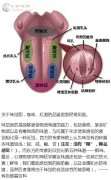
Fine coffee science tells you where to taste the sweet, sour, bitter and salty coffee on your tongue.
Taste map: with regard to taste map, coffee and red wine are often used in tasting. Taste refers to the ability to sense the taste of substances, including the taste of food, certain minerals and toxic substances, which is close to the sense of smell, which is also chemically induced.
2015-01-06 Boutique coffee tell tongue where taste bitter about
Boutique coffee science Fine Coffee beans and Fine Coffee
Boutique coffee beans 1. Boutique coffee beans must be high-quality beans with flawless beans. It should have an outstanding flavor, not without a bad taste, but with a particularly good taste. two。 Boutique coffee beans must be excellent varieties, such as the original bourbon species, mocha species and Tippica species. The coffee beans produced by these trees have unique aroma and flavor, which are far from comparable to those of other tree species.
2014-09-30 Coffee knowledge boutique coffee science boutique coffee beans
Boutique Coffee Science explores whether coffee is actually bitter
When it comes to black coffee, almost everyone's first reaction is bitter, which has almost become synonymous with coffee. So no matter whether black coffee is really bitter or not, few people are willing to take the initiative to touch him. People have become accustomed to adding milk and sugar to seek the feeling that it is not bitter and smooth, so the quality of coffee is often ignored, anyway, it is bitter. Is good coffee really bitter? Answer
2014-10-14 Coffee knowledge boutique coffee science coffee bitterness
Fine Coffee Science explains ESPRESSO 4m Law in detail
The first Mistura (mixture of coffee beans) in Italy, espresso beans have to be mixed with at least five kinds of beans. For example, Erie espresso beans are composed of at least 11 kinds of coffee beans, and they also need to be fresh and roasted in Italian style, so ESPRESSO can only be pure and can not be called a single product. The second Macinino (grinding method of coffee beans)
2014-10-31 Coffee knowledge boutique Coffee Espresso Golden Rule
Eight principles for judging Coffee in Fine Coffee Science
The first principle: dry and dry, dry when light, and even more dry when strong. It's like a room, it's easy to dry when it's empty, but it has to be dry when it's full. The second principle: [spindle flavor], that is, it represents the characteristics of this producing area. Dry coffee is the foundation, and a cup of dry coffee represents a flaw, but dry coffee can easily become tasteless.
2014-10-20 Coffee knowledge boutique coffee science coffee judgment
Fine Coffee Science explains the characteristics of coffee beans in detail
Does the judgment of coffee beans begin with seeing, smelling and peeling pressure? In fact, the so-called see-smell peeling pressure is to judge whether the coffee beans are fresh or not, which is the most basic element of making a good cup of coffee, because only fresh coffee beans can make a good cup of coffee. Fresh coffee beans are full of aroma, have no soft feeling of regaining moisture, and have a crisp voice when crushed. In addition, good experts will also use coffee.
2014-10-29 Coffee knowledge boutique coffee science coffee beans
Fine Coffee Science explains the taste of coffee in detail
One of the important reasons why coffee is widely drunk and enjoyed all over the world is that it can be made in different ways and can meet the needs of different tastes. Coffee brewing utensils coffee varieties determine the natural flavor of coffee, but to show the unique flavor of coffee, we must be skilled and correct use of brewing utensils. At present, coffee brewing utensils are mainly hydraulic.
2014-11-10 Coffee knowledge boutique coffee science coffee tasting
Fine Coffee Science about the water temperature of coffee
In fact, I spent about a day thinking about how to answer this question. It's not that the problem is unfathomable, but that we receive too much information. As you are familiar with, coffee is best at 85, or in many business training sessions, the coffee machine is set at 96. There are also some textbooks that say coffee is better at 92. If you just want to know the result,
2014-10-14 Coffee knowledge boutique coffee science coffee water temperature